What is Off-Page SEO? A Complete Guide to Building Authority and Rankings
What is Off-Page SEO? A Complete Guide to Building Authority and Rankings
Written by
Soumil Jain
In this post:
In this post:
Section
When it comes to SEO, most people focus on optimizing their website content - but that’s only half the battle. Off-page SEO plays a crucial role in determining how your website ranks on search engines.
So, what exactly is off-page SEO, and why is it important?
What is Off-Page SEO?
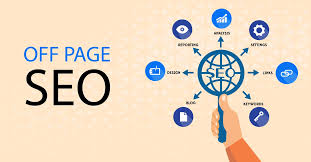
Off-page SEO refers to all the actions taken outside your website to improve its search engine rankings. Unlike on-page SEO, which focuses on content and structure, off-page SEO is about building your site’s authority, trust, and reputation.
Search engines view your website as more credible when other reputable websites and users endorse it.
Why Off-Page SEO Matters
Search engines like Google use off-page signals to evaluate how trustworthy and authoritative your website is. The more high-quality signals you have, the better your chances of ranking higher.
Off-page SEO helps:
Increase domain authority
Build brand credibility
Drive referral traffic
Improve search rankings
Key Components of Off-Page SEO
1. Backlink Building
Backlinks are the backbone of off-page SEO. A backlink is a link from another website pointing to yours. Search engines treat backlinks as votes of confidence.
However, quality matters more than quantity. Links from authoritative and relevant websites carry more weight.
Common backlink strategies include:
Guest posting
Blogger outreach
Creating shareable content
Directory submissions
Avoid spammy links, as they can harm your rankings.
2. Social Media Engagement
While social media links don’t directly impact rankings, they help amplify your content and increase visibility.
Sharing your content on platforms like Facebook, Instagram, LinkedIn, and Twitter can drive traffic and encourage others to link back to your site.
3. Brand Mentions
Even when your website isn’t directly linked, brand mentions can still impact SEO. Search engines recognize when your brand is being talked about online.
The more your brand is mentioned across the web, the stronger your online presence becomes.
4. Influencer Marketing
Collaborating with influencers can expand your reach and build credibility. Influencers often have established audiences that trust their recommendations.
This can lead to more traffic, backlinks, and brand recognition.
5. Guest Blogging
Writing articles for other websites in your niche helps you gain exposure and earn high-quality backlinks.
Focus on reputable websites with strong authority and relevant audiences.
6. Forum Participation and Community Engagement
Participating in forums, Q&A platforms, and online communities helps establish your authority in your niche.
Provide helpful answers and include your website link where relevant—but avoid spamming.
7. Local SEO and Listings
For businesses targeting local audiences, listing your website on local directories and platforms is essential.
Ensure your business information is consistent across all platforms to build trust and improve visibility.
8. Content Marketing
Creating high-quality content that people naturally want to share is one of the most effective off-page SEO strategies.
Examples include:
Infographics
Videos
Case studies
Research reports
The more valuable your content, the more likely others will link to it.
Common Mistakes to Avoid
Buying low-quality backlinks
Ignoring relevance in link building
Over-optimizing anchor text
Focusing only on quantity over quality
These practices can lead to penalties and damage your website’s reputation.
Conclusion
Off-page SEO is essential for building your website’s authority and improving its rankings. By focusing on high-quality backlinks, strong brand presence, and meaningful engagement, you can create a solid foundation for long-term SEO success.
Remember, off-page SEO is about trust - and trust takes time to build.
Ready to strengthen your website’s authority and climb the search rankings? Start implementing off-page SEO strategies today, or connect with us to create a results-driven plan that delivers real growth!
When it comes to SEO, most people focus on optimizing their website content - but that’s only half the battle. Off-page SEO plays a crucial role in determining how your website ranks on search engines.
So, what exactly is off-page SEO, and why is it important?
What is Off-Page SEO?
Off-page SEO refers to all the actions taken outside your website to improve its search engine rankings. Unlike on-page SEO, which focuses on content and structure, off-page SEO is about building your site’s authority, trust, and reputation.
Search engines view your website as more credible when other reputable websites and users endorse it.
Why Off-Page SEO Matters
Search engines like Google use off-page signals to evaluate how trustworthy and authoritative your website is. The more high-quality signals you have, the better your chances of ranking higher.
Off-page SEO helps:
Increase domain authority
Build brand credibility
Drive referral traffic
Improve search rankings
Key Components of Off-Page SEO
1. Backlink Building
Backlinks are the backbone of off-page SEO. A backlink is a link from another website pointing to yours. Search engines treat backlinks as votes of confidence.
However, quality matters more than quantity. Links from authoritative and relevant websites carry more weight.
Common backlink strategies include:
Guest posting
Blogger outreach
Creating shareable content
Directory submissions
Avoid spammy links, as they can harm your rankings.
2. Social Media Engagement
While social media links don’t directly impact rankings, they help amplify your content and increase visibility.
Sharing your content on platforms like Facebook, Instagram, LinkedIn, and Twitter can drive traffic and encourage others to link back to your site.
3. Brand Mentions
Even when your website isn’t directly linked, brand mentions can still impact SEO. Search engines recognize when your brand is being talked about online.
The more your brand is mentioned across the web, the stronger your online presence becomes.
4. Influencer Marketing
Collaborating with influencers can expand your reach and build credibility. Influencers often have established audiences that trust their recommendations.
This can lead to more traffic, backlinks, and brand recognition.
5. Guest Blogging
Writing articles for other websites in your niche helps you gain exposure and earn high-quality backlinks.
Focus on reputable websites with strong authority and relevant audiences.
6. Forum Participation and Community Engagement
Participating in forums, Q&A platforms, and online communities helps establish your authority in your niche.
Provide helpful answers and include your website link where relevant—but avoid spamming.
7. Local SEO and Listings
For businesses targeting local audiences, listing your website on local directories and platforms is essential.
Ensure your business information is consistent across all platforms to build trust and improve visibility.
8. Content Marketing
Creating high-quality content that people naturally want to share is one of the most effective off-page SEO strategies.
Examples include:
Infographics
Videos
Case studies
Research reports
The more valuable your content, the more likely others will link to it.
Common Mistakes to Avoid
Buying low-quality backlinks
Ignoring relevance in link building
Over-optimizing anchor text
Focusing only on quantity over quality
These practices can lead to penalties and damage your website’s reputation.
Conclusion
Off-page SEO is essential for building your website’s authority and improving its rankings. By focusing on high-quality backlinks, strong brand presence, and meaningful engagement, you can create a solid foundation for long-term SEO success.
Remember, off-page SEO is about trust - and trust takes time to build.
Ready to strengthen your website’s authority and climb the search rankings? Start implementing off-page SEO strategies today, or connect with us to create a results-driven plan that delivers real growth!