The Evolution of Social Media Marketing from Promotion to Experience
The Evolution of Social Media Marketing from Promotion to Experience
Written by
Soumil Jain
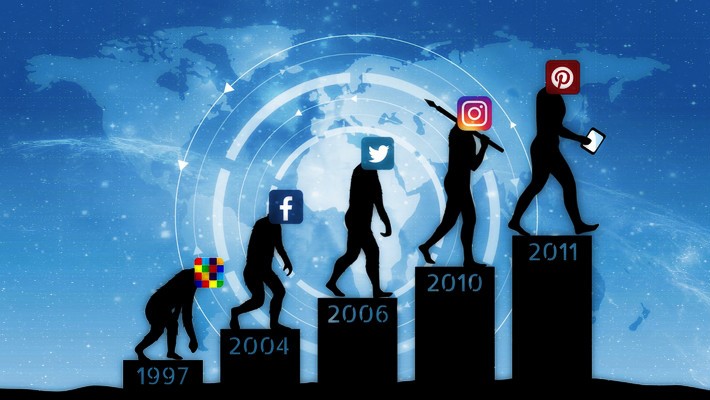
Modern users spend hours scrolling through platforms like Instagram, LinkedIn, YouTube, and TikTok. In this crowded digital environment, brands that focus only on selling often struggle to hold attention.
In this post:
In this post:
Section
Social media marketing has transformed dramatically over the last decade. What once started as a platform for direct promotions and advertisements has now evolved into a complete brand experience. In 2026, consumers no longer engage with brands simply because they see advertisements repeatedly. They expect meaningful interactions, personalized storytelling, entertainment, and emotional connections.
Modern users spend hours scrolling through platforms like Instagram, LinkedIn, YouTube, and TikTok. In this crowded digital environment, brands that focus only on selling often struggle to hold attention. Instead, successful businesses are building immersive experiences that make audiences feel connected, inspired, and valued.
Today, social media is no longer just a marketing channel—it has become a space where brands build communities, trust, and long-term loyalty.
The Shift from Traditional Promotion
In the early days of social media marketing, businesses mainly used platforms to post promotional content. Brands focused heavily on product photos, discounts, offers, and direct sales messages. While this strategy worked initially, audiences eventually became overwhelmed with repetitive promotional content.
As competition increased, consumers started ignoring traditional advertising formats. Algorithms also began prioritizing engaging and valuable content over purely promotional posts. This forced brands to rethink their approach.
The modern audience wants:
Authenticity
Entertainment
Relatable stories
Educational value
Emotional engagement
This shift changed the purpose of social media marketing from simply promoting products to creating memorable digital experiences.
Why Experience-Driven Marketing Matters
Experience-driven marketing focuses on how audiences feel when interacting with a brand online. Instead of constantly pushing sales, brands now aim to create meaningful moments that encourage engagement and loyalty.
An experience-driven strategy includes:
Behind-the-scenes content
Founder stories
Interactive reels
User-generated content
Community discussions
Cinematic storytelling
Educational short videos
Consumers are more likely to trust and support brands that feel human and relatable. A strong digital experience helps businesses stay memorable in an overcrowded market.
For example, brands using storytelling-based reels often generate more engagement than traditional product advertisements because stories naturally connect with human emotions.
The Rise of Short-Form Content
Short-form video content has become one of the biggest drivers of social media engagement. Platforms now prioritize reels, shorts, and quick videos because users prefer fast and visually engaging content.
Modern consumers have shorter attention spans, which means brands have only a few seconds to capture interest. Creative storytelling, strong visuals, and emotional hooks are now essential components of social media success.
Short-form content works because it:
Delivers information quickly
Encourages higher engagement
Feels more authentic
Increases audience retention
Improves shareability
Businesses that adapt to this trend can build stronger relationships with their audience while improving brand visibility organically.
Community Building Over Follower Counts
One of the biggest changes in social media marketing is the focus on community rather than vanity metrics. Earlier, brands measured success mainly through follower counts and reach. Today, engagement and audience loyalty matter far more.
A smaller but highly engaged community often delivers better business results than a massive inactive audience.
Brands are now focusing on:
Meaningful conversations
Audience participation
Customer feedback
Personalized responses
Community-driven campaigns
When audiences feel heard and connected, they are more likely to become loyal customers and long-term supporters.
The Role of Personal Branding
Founder-led content and personal branding are becoming major parts of social media marketing strategies. Consumers trust people more than faceless businesses.
Founders who share their journey, struggles, expertise, and vision create stronger emotional connections with audiences. Personal branding adds authenticity and builds credibility faster than traditional corporate communication.
In 2026, audiences want transparency. They want to know the people behind the business, the purpose of the brand, and the story driving the company forward.
This is why founder-led storytelling is becoming one of the most effective marketing approaches today.
Data and Creativity Must Work Together
Modern social media marketing is not only about creativity. It also requires strategic decision-making based on analytics and consumer behavior.
Brands now combine:
Data-driven insights
Creative storytelling
Audience psychology
Trend analysis
Performance tracking
This balance allows businesses to create content that is visually appealing while also delivering measurable results.
The future belongs to brands that can combine emotional storytelling with smart marketing strategies.
The Future of Social Media Marketing
Social media marketing will continue evolving toward immersive and human-centric experiences. Audiences are becoming more selective about the content they consume, making authenticity more important than ever.
Future trends are likely to include:
AI-assisted personalized content
Interactive experiences
Community-led brand growth
Video-first strategies
Creator collaborations
Emotion-driven storytelling
Brands that prioritize value, creativity, and genuine engagement will outperform businesses that rely only on aggressive promotion.
Conclusion
The evolution of social media marketing from promotion to experience has completely changed how brands connect with audiences. Modern consumers expect authenticity, creativity, and emotional engagement rather than repetitive advertisements.
Businesses that focus on storytelling, community building, and meaningful digital experiences are more likely to build trust and long-term success. In 2026, winning on social media is no longer about simply reaching people - it is about creating experiences that people genuinely remember and connect with.
Looking to build a stronger digital presence through creative storytelling and modern marketing strategies? Visit Soumil Jain to explore how innovative content, branding, and growth-focused marketing can help your business stand out in the digital world.
Social media marketing has transformed dramatically over the last decade. What once started as a platform for direct promotions and advertisements has now evolved into a complete brand experience. In 2026, consumers no longer engage with brands simply because they see advertisements repeatedly. They expect meaningful interactions, personalized storytelling, entertainment, and emotional connections.
Modern users spend hours scrolling through platforms like Instagram, LinkedIn, YouTube, and TikTok. In this crowded digital environment, brands that focus only on selling often struggle to hold attention. Instead, successful businesses are building immersive experiences that make audiences feel connected, inspired, and valued.
Today, social media is no longer just a marketing channel—it has become a space where brands build communities, trust, and long-term loyalty.
The Shift from Traditional Promotion
In the early days of social media marketing, businesses mainly used platforms to post promotional content. Brands focused heavily on product photos, discounts, offers, and direct sales messages. While this strategy worked initially, audiences eventually became overwhelmed with repetitive promotional content.
As competition increased, consumers started ignoring traditional advertising formats. Algorithms also began prioritizing engaging and valuable content over purely promotional posts. This forced brands to rethink their approach.
The modern audience wants:
Authenticity
Entertainment
Relatable stories
Educational value
Emotional engagement
This shift changed the purpose of social media marketing from simply promoting products to creating memorable digital experiences.
Why Experience-Driven Marketing Matters
Experience-driven marketing focuses on how audiences feel when interacting with a brand online. Instead of constantly pushing sales, brands now aim to create meaningful moments that encourage engagement and loyalty.
An experience-driven strategy includes:
Behind-the-scenes content
Founder stories
Interactive reels
User-generated content
Community discussions
Cinematic storytelling
Educational short videos
Consumers are more likely to trust and support brands that feel human and relatable. A strong digital experience helps businesses stay memorable in an overcrowded market.
For example, brands using storytelling-based reels often generate more engagement than traditional product advertisements because stories naturally connect with human emotions.
The Rise of Short-Form Content
Short-form video content has become one of the biggest drivers of social media engagement. Platforms now prioritize reels, shorts, and quick videos because users prefer fast and visually engaging content.
Modern consumers have shorter attention spans, which means brands have only a few seconds to capture interest. Creative storytelling, strong visuals, and emotional hooks are now essential components of social media success.
Short-form content works because it:
Delivers information quickly
Encourages higher engagement
Feels more authentic
Increases audience retention
Improves shareability
Businesses that adapt to this trend can build stronger relationships with their audience while improving brand visibility organically.
Community Building Over Follower Counts
One of the biggest changes in social media marketing is the focus on community rather than vanity metrics. Earlier, brands measured success mainly through follower counts and reach. Today, engagement and audience loyalty matter far more.
A smaller but highly engaged community often delivers better business results than a massive inactive audience.
Brands are now focusing on:
Meaningful conversations
Audience participation
Customer feedback
Personalized responses
Community-driven campaigns
When audiences feel heard and connected, they are more likely to become loyal customers and long-term supporters.
The Role of Personal Branding
Founder-led content and personal branding are becoming major parts of social media marketing strategies. Consumers trust people more than faceless businesses.
Founders who share their journey, struggles, expertise, and vision create stronger emotional connections with audiences. Personal branding adds authenticity and builds credibility faster than traditional corporate communication.
In 2026, audiences want transparency. They want to know the people behind the business, the purpose of the brand, and the story driving the company forward.
This is why founder-led storytelling is becoming one of the most effective marketing approaches today.
Data and Creativity Must Work Together
Modern social media marketing is not only about creativity. It also requires strategic decision-making based on analytics and consumer behavior.
Brands now combine:
Data-driven insights
Creative storytelling
Audience psychology
Trend analysis
Performance tracking
This balance allows businesses to create content that is visually appealing while also delivering measurable results.
The future belongs to brands that can combine emotional storytelling with smart marketing strategies.
The Future of Social Media Marketing
Social media marketing will continue evolving toward immersive and human-centric experiences. Audiences are becoming more selective about the content they consume, making authenticity more important than ever.
Future trends are likely to include:
AI-assisted personalized content
Interactive experiences
Community-led brand growth
Video-first strategies
Creator collaborations
Emotion-driven storytelling
Brands that prioritize value, creativity, and genuine engagement will outperform businesses that rely only on aggressive promotion.
Conclusion
The evolution of social media marketing from promotion to experience has completely changed how brands connect with audiences. Modern consumers expect authenticity, creativity, and emotional engagement rather than repetitive advertisements.
Businesses that focus on storytelling, community building, and meaningful digital experiences are more likely to build trust and long-term success. In 2026, winning on social media is no longer about simply reaching people - it is about creating experiences that people genuinely remember and connect with.
Looking to build a stronger digital presence through creative storytelling and modern marketing strategies? Visit Soumil Jain to explore how innovative content, branding, and growth-focused marketing can help your business stand out in the digital world.