Written by
Soumil Jain
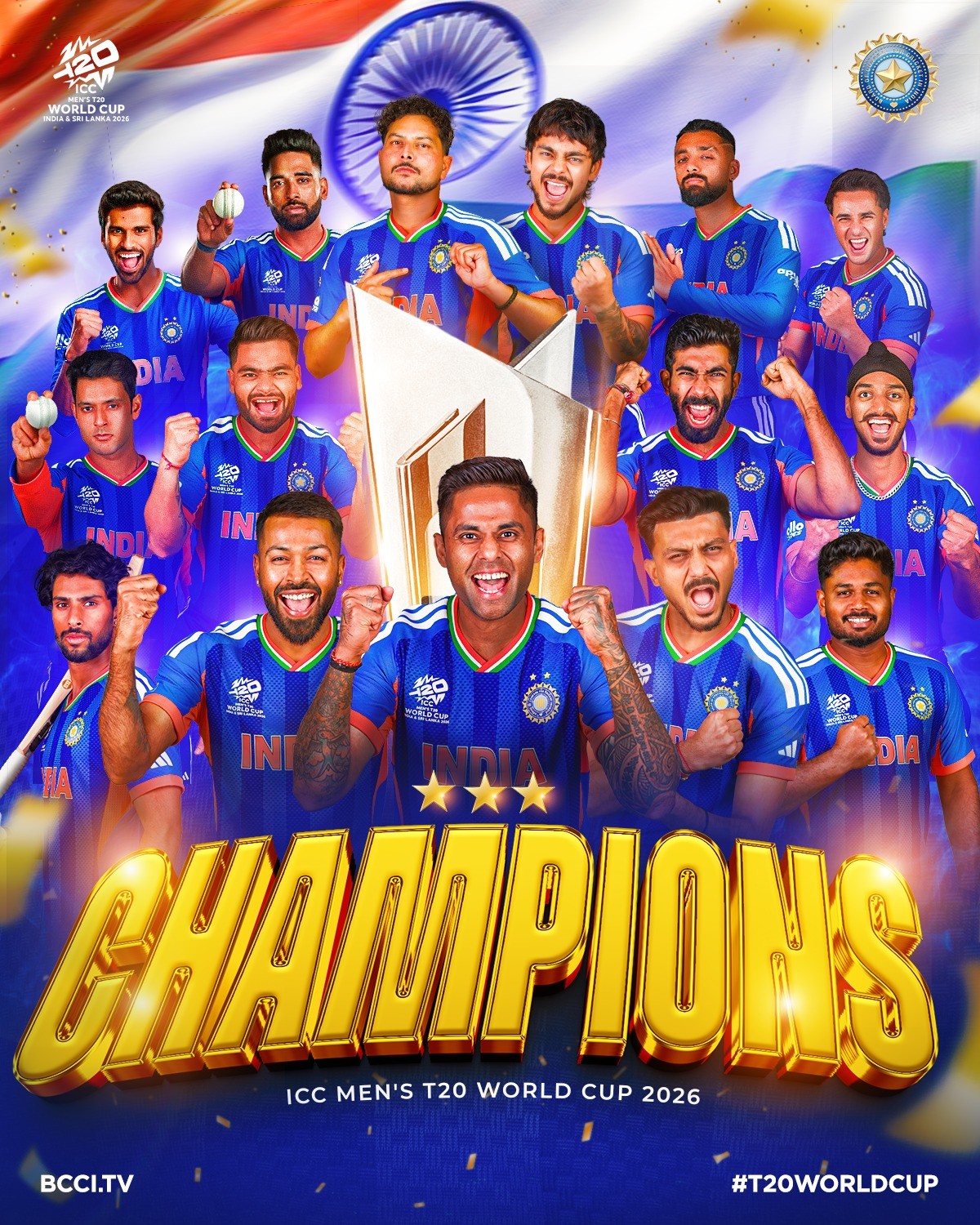
In this long‑form blog post, we’ll break down the game, celebrate key performers, and explore how companies like JioHotstar are leveraging big moments in sport for massive marketing impact.
Section
In one of the most exciting chapters of recent cricket history, India produced a commanding performance against New Zealand-a win that not only thrilled cricket fans but also spotlighted the commercial power of sports broadcasting. The marketing narrative around this match took a unique turn when media rights holder JioStar reportedly priced advertisement slots at approximately ₹50 lakh for just 10 seconds of airtime during the broadcast-a figure that quickly grabbed headlines across the industry.
In this long‑form blog post, we’ll break down the game, celebrate key performers, and explore how companies like JioHotstar are leveraging big moments in sport for massive marketing impact.
A Memorable Match: India vs New Zealand
Cricket enthusiasts around the world watched eagerly as Team India took on New Zealand in a high‑stakes fixture that showcased thrilling performances from the batters and bowlers alike.
India’s Batting Brilliance
India’s batting display in the final of the ICC Men’s T20 World Cup 2026 was nothing short of spectacular. Chasing glory against New Zealand at the Narendra Modi Stadium, India posted a massive total of 255/5 - the highest score ever recorded in a men’s T20 World Cup final.
Key Contributions
Sanju Samson was the standout performer with an explosive 89 runs off just 46 balls, featuring eight sixes and five fours - a knock that set the tone for India’s dominance.
Abhishek Sharma provided a blazing start with 52 runs, forming a powerful opening partnership that put early pressure on the New Zealand bowlers.
Ishan Kishan continued the momentum with a quick 54 runs, keeping the scoreboard ticking at a rapid pace.
Together, this trio ensured that India’s innings was not only competitive but historical - setting records and thrilling fans across the globe.
Another crucial aspect of the batting performance was the depth and aggression India displayed. From the powerful hitting of Samson and Kishan to the explosive start from Sharma, every batsman played with intent and precision, proving India’s batting lineup was in top form when it mattered most.
Axar Patel’s Match‑Changing Bowling Performance
Among the standout performers was left‑arm spinner Axar Patel, who claimed three crucial wickets in the match. Patel’s contribution was not just about the number of wickets but the timing of his breakthroughs, which turned the tide in India’s favour during critical phases of the game.
His ability to break partnerships and exert pressure exemplified why he’s considered one of India’s most reliable bowlers in the limited‑overs format. Such performances don’t just swing matches; they influence the psychology of both teams, making Patel’s impact both tangible and strategic.
Advertisement Economics: ₹50 Lakh for 10 Seconds
While the cricket match itself was a sporting spectacle, there was significant buzz off the field too-centred around the astonishing price tag that JioStar was reportedly asking for a 10‑second advertisement slot during the India–New Zealand broadcast.
According to multiple industry reports, JioStar, the official media rights holder for the ICC, set ad rates around ₹50 lakh for a 10‑second spot during this marquee match.
Why did this happen?
High Demand and Limited Inventory
Cricket - especially when India plays - draws tens of millions of viewers across television and digital platforms. Advertisers know this, and they compete intensely for visibility at moments when viewer numbers peak. With India advancing to such an important game, demand for advertising space surged, and broadcasters capitalized on this premium moment.
The scarcity of premium spots during the most watched segments (such as pre‑innings, strategic overs, and mid‑match breaks) drove up prices dramatically. In short: limited ad inventory + huge viewership = premium costs.
The Marketing Strategy Behind High‑Value Slots
This pricing strategy isn’t accidental - it’s strategic. Here’s how platforms like JioHotstar are using marquee matches to maximize revenue and brand value:
1. Capitalize on Peak Audiences
Live cricket, particularly involving India, consistently draws record‑breaking viewership. When an audience peaks, advertisers are willing to pay more to reach that audience. Pricing ads at a premium leverages this high demand effectively.
2. Create Exclusivity
Charging a hefty ₹50 lakh for 10 seconds isn’t just about immediate revenue. It also creates a sense of scarcity and prestige. Brands that secure these slots gain social currency and visibility long after the match ends. This exclusivity can make participation a badge of honor among corporate marketers.
3. Boost Brand Recall
Large‑scale sporting broadcasts are ideal for generating quick brand recall. A 10‑second slot placed at the right moment - like just after a boundary, wicket, or before an innings - can imprint a brand into viewers’ minds, especially when repeated over similar high‑visibility matches.
4. Drive Larger Ad Campaigns
For brands investing in these premium slots, the strategy often extends beyond a single 10‑second placement. Many run concurrent social media, outdoor, and influencer campaigns aligned with the live moment, amplifying their reach and impact.
What This Means for Advertisers
For marketers, the lesson is clear: sports events, especially those with massive national viewership, are premium real‑estate for advertising. But packing that impact into 10 seconds - and justifying the cost - requires carefully executed strategy.
Here’s what brands can do:
Know Your Audience
Advertisers need to understand not just the size, but the nature of the viewership. Indian cricket fans are emotionally engaged, passionate, and often loyal - which means that even short ad placements can resonate if they tap into the right sentiment and timing.
Focus on Memorable Creative
Within 10 seconds, there’s no room for fluff. Ads must be immediately engaging - whether through humour, emotion, music, or a strong message - to create instant resonance with rising viewership.
Leverage Post‑Match Engagement
Smart marketers use the momentum from the match to launch follow‑up campaigns - on social media, OTT platforms, and mobile. These can extend the brand’s reach and reinforce messaging well after the live match ends.
Measure and Optimize
Measuring performance across platforms (linear TV, connected TV, OTT) helps marketers understand where their investment delivered the best ROI - enabling future decisions guided by data rather than guesswork.
👀 What This Means for Viewers and Fans
While brands and broadcasters benefit, what does this explosive ad pricing mean for everyday viewers?
More Ads on Screen, More Revenue for Platforms - Platforms may see this as a way to subsidize streaming costs or invest further in sports rights and production quality.
Investment in Streaming Technology - To accommodate millions of concurrent users, platforms may continue upgrading infrastructure, improving quality and reducing lag - ultimately enhancing the viewer experience.
Potential Subscription Models - With high ad revenue potential, platforms may offer competitive subscription tiers, balancing ad load against subscriber value.
Looking Forward: A New Era of Sports Marketing
The convergence of sport, media, and commerce is evolving rapidly. Cricket remains one of the most potent catalysts in this mix, where:
Viewer loyalty is unmatched
Advertising dollars follow audience engagement
Digital platforms like JioHotstar become crucial nodes in content delivery and monetization
The India–New Zealand match illustrates not just a sporting victory, but a marketing moment defining the future of live sports broadcasting in India. As viewership continues to grow - driven by passionate fan bases and omnipresent mobile connectivity - we can expect:
Greater competition for premium ad slots
Higher prices during key broadcast moments
More integrated campaigns across platforms
Innovative ad formats designed for short‑attention spans
In essence, cricket is no longer just a sport - it’s a cultural and commercial juggernaut that brands and broadcasters are investing in like never before.
Conclusion
India’s victory over New Zealand was more than just a cricketing achievement - it was a showcase of strategic marketing in action. From stellar performances on the pitch to strategic ad placements off it, this match demonstrated how sports and commerce intersect in remarkable ways.
With ad slots hitting ₹50 lakh for just 10 seconds on platforms like JioStar’s JioHotstar, the stakes are high - and so are the opportunities. For brands seeking visibility, sports marketing remains a field where creativity meets commerce, giving advertisers a powerful chance to shine in just ten seconds of airtime.