How to Create High-Converting Landing Pages That Drive Results
How to Create High-Converting Landing Pages That Drive Results
Written by
Soumil Jain
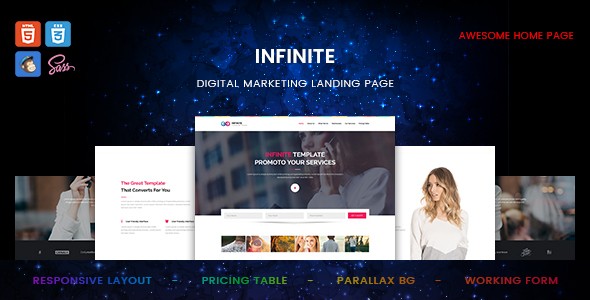
A landing page is one of the most critical components of any digital marketing campaign. It’s where visitors decide whether to take action or leave. Creating a high-converting landing page requires a mix of strategic thinking, compelling design, and continuous optimization.
In this post:
In this post:
Section
A landing page is one of the most critical components of any digital marketing campaign. It’s where visitors decide whether to take action or leave. Creating a high-converting landing page requires a mix of strategic thinking, compelling design, and continuous optimization.
Define a Clear Objective
Every landing page should focus on one specific goal - whether it’s capturing leads, encouraging sign-ups, or promoting a product. Avoid multiple objectives that can confuse visitors and reduce conversions.
Craft a Strong Headline
Your headline is the first impression users get. It should clearly communicate your value proposition and grab attention instantly. Focus on benefits rather than features to make it more compelling.
Write Persuasive and Clear Copy
Effective copy addresses the user’s pain points and provides a solution. Keep your messaging simple, concise, and benefit-driven. Use bullet points and short paragraphs to improve readability.
Use High-Quality Visuals
Visual elements play a crucial role in engagement. Use images, videos, and graphics to support your message. Tools like Canva can help create professional visuals easily.
Add Social Proof
Including testimonials, reviews, and case studies builds trust and credibility. When potential customers see positive experiences from others, they are more likely to convert.
Optimize Your Call-to-Action (CTA)
Your CTA should be clear, visible, and action-oriented. Use phrases like:
“Get Started Now”
“Download Your Free Guide”
“Book a Demo Today”
Ensure the CTA stands out with contrasting colors and strategic placement.
Keep Forms Short and Simple
Long forms can discourage users from completing the process. Only ask for essential information and consider using multi-step forms to improve user experience.
Ensure Mobile Optimization
With a significant portion of traffic coming from mobile devices, your landing page must be responsive and fast-loading. A poor mobile experience can drastically reduce conversions.
Conduct A/B Testing
Testing different variations of your landing page helps identify what works best. Experiment with headlines, CTA buttons, images, and layouts. Tools like Google Optimize can help you run experiments effectively.
Improve Page Speed
Page speed is a critical factor in conversion rates. Optimize images, minimize code, and use reliable hosting to ensure fast loading times.
FAQs
1. What is a good landing page conversion rate?
A conversion rate between 5% and 10% is generally considered strong, though it varies by industry.
2. How many CTAs should a landing page have?
Focus on one primary CTA, repeated strategically across the page.
3. Why is A/B testing important?
It helps identify which elements perform best, allowing you to optimize for higher conversions.
4. What is the biggest mistake in landing page design?
Overloading the page with too much information or having multiple goals.
Want to turn more visitors into paying customers? Start building high-converting landing pages using these proven strategies or partner with experts to maximize your results. Contact us today and transform your landing pages into powerful conversion engines.
A landing page is one of the most critical components of any digital marketing campaign. It’s where visitors decide whether to take action or leave. Creating a high-converting landing page requires a mix of strategic thinking, compelling design, and continuous optimization.
Define a Clear Objective
Every landing page should focus on one specific goal - whether it’s capturing leads, encouraging sign-ups, or promoting a product. Avoid multiple objectives that can confuse visitors and reduce conversions.
Craft a Strong Headline
Your headline is the first impression users get. It should clearly communicate your value proposition and grab attention instantly. Focus on benefits rather than features to make it more compelling.
Write Persuasive and Clear Copy
Effective copy addresses the user’s pain points and provides a solution. Keep your messaging simple, concise, and benefit-driven. Use bullet points and short paragraphs to improve readability.
Use High-Quality Visuals
Visual elements play a crucial role in engagement. Use images, videos, and graphics to support your message. Tools like Canva can help create professional visuals easily.
Add Social Proof
Including testimonials, reviews, and case studies builds trust and credibility. When potential customers see positive experiences from others, they are more likely to convert.
Optimize Your Call-to-Action (CTA)
Your CTA should be clear, visible, and action-oriented. Use phrases like:
“Get Started Now”
“Download Your Free Guide”
“Book a Demo Today”
Ensure the CTA stands out with contrasting colors and strategic placement.
Keep Forms Short and Simple
Long forms can discourage users from completing the process. Only ask for essential information and consider using multi-step forms to improve user experience.
Ensure Mobile Optimization
With a significant portion of traffic coming from mobile devices, your landing page must be responsive and fast-loading. A poor mobile experience can drastically reduce conversions.
Conduct A/B Testing
Testing different variations of your landing page helps identify what works best. Experiment with headlines, CTA buttons, images, and layouts. Tools like Google Optimize can help you run experiments effectively.
Improve Page Speed
Page speed is a critical factor in conversion rates. Optimize images, minimize code, and use reliable hosting to ensure fast loading times.
FAQs
1. What is a good landing page conversion rate?
A conversion rate between 5% and 10% is generally considered strong, though it varies by industry.
2. How many CTAs should a landing page have?
Focus on one primary CTA, repeated strategically across the page.
3. Why is A/B testing important?
It helps identify which elements perform best, allowing you to optimize for higher conversions.
4. What is the biggest mistake in landing page design?
Overloading the page with too much information or having multiple goals.
Want to turn more visitors into paying customers? Start building high-converting landing pages using these proven strategies or partner with experts to maximize your results. Contact us today and transform your landing pages into powerful conversion engines.