How Social Media is Changing the Way We Communicate
How Social Media is Changing the Way We Communicate
Written by
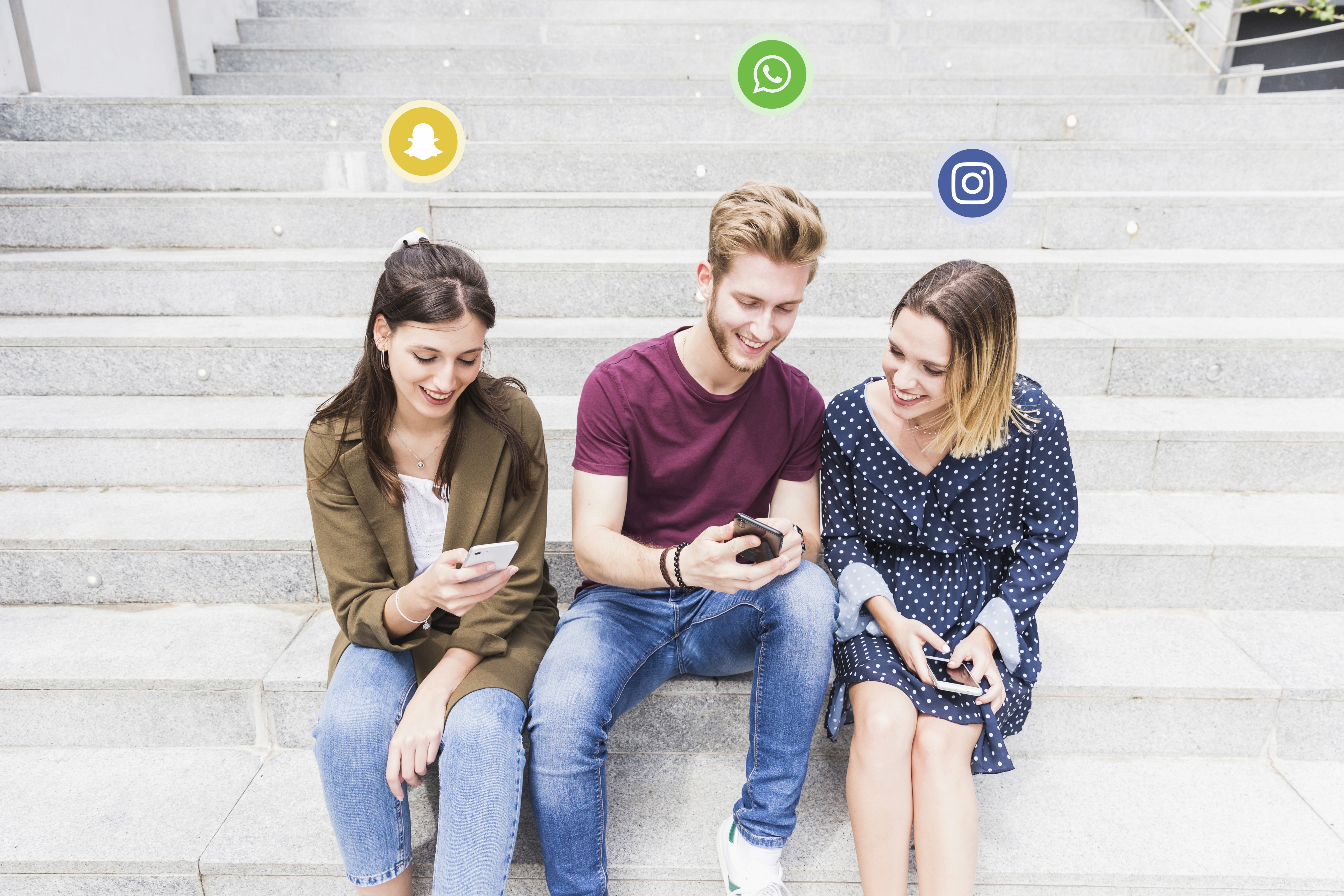
Platforms like Facebook, Instagram, LinkedIn, and Twitter have transformed communication from a one-way broadcast to an interactive, real-time exchange of ideas.
In this post:
In this post:
Section
In the last decade, social media has revolutionized the way people interact, share information, and even conduct business. Platforms like Facebook, Instagram, LinkedIn, and Twitter have transformed communication from a one-way broadcast to an interactive, real-time exchange of ideas. This shift has impacted personal relationships, professional networking, and the marketing landscape, fundamentally changing the way we connect with others.
The Evolution of Communication
Before social media, communication was largely limited to face-to-face conversations, phone calls, and emails. While these methods were effective, they lacked the immediacy and reach that social media provides today. With the advent of social platforms, people can now share thoughts, images, and videos instantly, reaching audiences across the globe in seconds.
Social media has blurred the line between personal and professional communication. People now expect quick responses and engage in multi-channel conversations, which has encouraged businesses to adapt their communication strategies accordingly. Platforms also enable users to participate in discussions and interact with brands directly, making communication more two-way and engaging.
Social Media and Business Communication
Businesses have realized that social media is more than just a tool for staying in touch - it’s a powerful platform for growth. Companies are increasingly investing in digital marketing services to build brand presence, engage customers, and analyze feedback. By leveraging these services, businesses can craft targeted campaigns that resonate with their audience, improving communication and customer satisfaction.
One key aspect of this strategy is social media optimization (SMO). SMO ensures that a brand’s social media profiles are optimized to maximize visibility and engagement. From scheduling posts at peak times to creating visually appealing content, SMO helps companies communicate more effectively and maintain a strong online presence.
The Role of SMO Services
SMO services go beyond just posting content. They involve a comprehensive strategy that includes:
Optimizing social media profiles for searchability
Monitoring engagement metrics to refine messaging
Developing content calendars aligned with audience preferences
Ensuring consistency across platforms
These services help businesses maintain a professional and approachable online voice. By implementing SMO strategies, companies can foster meaningful interactions with their audience, creating trust and long-term relationships.
Additionally, SMO services help amplify communication by making content more discoverable. This is especially important in today’s fast-paced digital environment, where consumers are bombarded with information daily. Effective social media optimization ensures that a brand’s message cuts through the noise and reaches the intended audience.
The Impact on Personal Communication
Social media has also significantly influenced personal communication. People can now stay connected with family and friends regardless of distance. Platforms provide real-time updates, messaging options, and multimedia sharing capabilities, making it easier to maintain relationships.
However, this instant connectivity comes with challenges. The constant influx of notifications and messages can lead to shorter attention spans and a preference for quick, concise communication. Emojis, GIFs, and short videos have become common tools for expressing thoughts and emotions quickly, replacing some elements of traditional conversation.
Social Media as a Feedback Tool
One of the most significant changes in communication brought about by social media is the ability to receive instant feedback. Individuals and businesses can gauge reactions through likes, comments, shares, and other engagement metrics.
For businesses, this feedback loop is invaluable. Through digital marketing services, companies can analyze interactions, understand audience preferences, and adapt their messaging. This real-time insight allows brands to communicate more effectively and make informed decisions to improve products, services, and overall customer experience.
Challenges of Social Media Communication
While social media has enhanced communication, it has also introduced challenges. Miscommunication, misunderstandings, and online conflicts are common due to the absence of tone, body language, and face-to-face cues. Additionally, the speed of information sharing can sometimes amplify false information or rumors, requiring users and businesses to exercise caution.
For brands, this emphasizes the importance of SMO services and a strong communication strategy. Optimized social media profiles, consistent messaging, and proactive engagement can help businesses navigate challenges and maintain credibility.
The Future of Communication
The influence of social media on communication is only expected to grow. Emerging technologies like AI chatbots, augmented reality (AR), and virtual reality (VR) will further enhance the way we interact online. Businesses investing in digital marketing services and focusing on social media optimization will be better positioned to adapt to these changes, ensuring that their messaging remains relevant and effective.
Social media has transformed communication into a dynamic, interactive, and global experience. Whether for personal use or professional engagement, platforms provide new ways to connect, collaborate, and share information. As the landscape continues to evolve, embracing these tools and strategies will be crucial for staying connected in a digitally-driven world.
Conclusion
Social media has redefined communication in profound ways, enabling faster, more interactive, and global conversations. For businesses, investing in digital marketing services and SMO services ensures that communication remains effective, relevant, and engaging. For individuals, social media allows for more meaningful connections with friends, family, and communities.
By understanding and leveraging these platforms, we can navigate the challenges and opportunities of modern communication while building stronger, more connected networks - both personally and professionally.
In the last decade, social media has revolutionized the way people interact, share information, and even conduct business. Platforms like Facebook, Instagram, LinkedIn, and Twitter have transformed communication from a one-way broadcast to an interactive, real-time exchange of ideas. This shift has impacted personal relationships, professional networking, and the marketing landscape, fundamentally changing the way we connect with others.
The Evolution of Communication
Before social media, communication was largely limited to face-to-face conversations, phone calls, and emails. While these methods were effective, they lacked the immediacy and reach that social media provides today. With the advent of social platforms, people can now share thoughts, images, and videos instantly, reaching audiences across the globe in seconds.
Social media has blurred the line between personal and professional communication. People now expect quick responses and engage in multi-channel conversations, which has encouraged businesses to adapt their communication strategies accordingly. Platforms also enable users to participate in discussions and interact with brands directly, making communication more two-way and engaging.
Social Media and Business Communication
Businesses have realized that social media is more than just a tool for staying in touch - it’s a powerful platform for growth. Companies are increasingly investing in digital marketing services to build brand presence, engage customers, and analyze feedback. By leveraging these services, businesses can craft targeted campaigns that resonate with their audience, improving communication and customer satisfaction.
One key aspect of this strategy is social media optimization (SMO). SMO ensures that a brand’s social media profiles are optimized to maximize visibility and engagement. From scheduling posts at peak times to creating visually appealing content, SMO helps companies communicate more effectively and maintain a strong online presence.
The Role of SMO Services
SMO services go beyond just posting content. They involve a comprehensive strategy that includes:
Optimizing social media profiles for searchability
Monitoring engagement metrics to refine messaging
Developing content calendars aligned with audience preferences
Ensuring consistency across platforms
These services help businesses maintain a professional and approachable online voice. By implementing SMO strategies, companies can foster meaningful interactions with their audience, creating trust and long-term relationships.
Additionally, SMO services help amplify communication by making content more discoverable. This is especially important in today’s fast-paced digital environment, where consumers are bombarded with information daily. Effective social media optimization ensures that a brand’s message cuts through the noise and reaches the intended audience.
The Impact on Personal Communication
Social media has also significantly influenced personal communication. People can now stay connected with family and friends regardless of distance. Platforms provide real-time updates, messaging options, and multimedia sharing capabilities, making it easier to maintain relationships.
However, this instant connectivity comes with challenges. The constant influx of notifications and messages can lead to shorter attention spans and a preference for quick, concise communication. Emojis, GIFs, and short videos have become common tools for expressing thoughts and emotions quickly, replacing some elements of traditional conversation.
Social Media as a Feedback Tool
One of the most significant changes in communication brought about by social media is the ability to receive instant feedback. Individuals and businesses can gauge reactions through likes, comments, shares, and other engagement metrics.
For businesses, this feedback loop is invaluable. Through digital marketing services, companies can analyze interactions, understand audience preferences, and adapt their messaging. This real-time insight allows brands to communicate more effectively and make informed decisions to improve products, services, and overall customer experience.
Challenges of Social Media Communication
While social media has enhanced communication, it has also introduced challenges. Miscommunication, misunderstandings, and online conflicts are common due to the absence of tone, body language, and face-to-face cues. Additionally, the speed of information sharing can sometimes amplify false information or rumors, requiring users and businesses to exercise caution.
For brands, this emphasizes the importance of SMO services and a strong communication strategy. Optimized social media profiles, consistent messaging, and proactive engagement can help businesses navigate challenges and maintain credibility.
The Future of Communication
The influence of social media on communication is only expected to grow. Emerging technologies like AI chatbots, augmented reality (AR), and virtual reality (VR) will further enhance the way we interact online. Businesses investing in digital marketing services and focusing on social media optimization will be better positioned to adapt to these changes, ensuring that their messaging remains relevant and effective.
Social media has transformed communication into a dynamic, interactive, and global experience. Whether for personal use or professional engagement, platforms provide new ways to connect, collaborate, and share information. As the landscape continues to evolve, embracing these tools and strategies will be crucial for staying connected in a digitally-driven world.
Conclusion
Social media has redefined communication in profound ways, enabling faster, more interactive, and global conversations. For businesses, investing in digital marketing services and SMO services ensures that communication remains effective, relevant, and engaging. For individuals, social media allows for more meaningful connections with friends, family, and communities.
By understanding and leveraging these platforms, we can navigate the challenges and opportunities of modern communication while building stronger, more connected networks - both personally and professionally.